In the latest issue of Lancashire Business View, Blackpool’s continued push to become a major UK data and technology hub is highlighted through the Silicon Sands project.
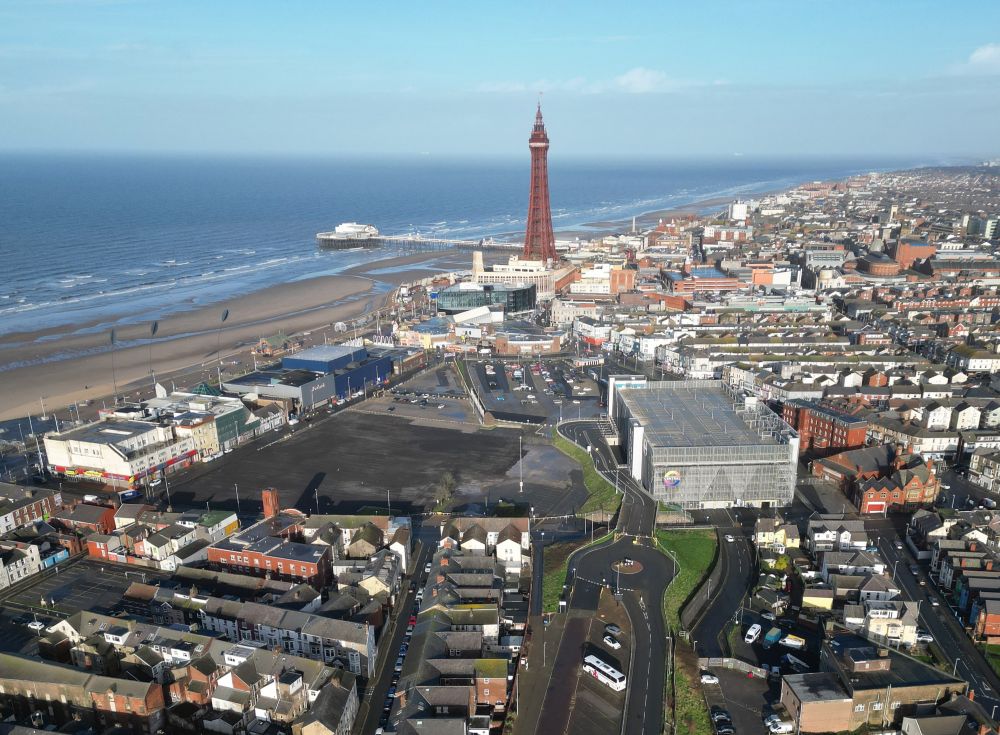
Blackpool’s economic future has diversified a lot in recent years, but every so often a project comes along that feels like a momentous shift. Silicon Sands is one of those moments.
With momentum building behind the town’s ambition to become a major UK data-centre hub, Blackpool is stepping confidently into a new digital era.
Crucially, Silicon Sands recently received major government funding as part of the Regional Tech Booster programme. To read more about this recognition, click here: https://businessinblackpool.com/silicon-sands-tech-project-secures-government-funding/
A strategic position in a connected world
One of the strongest reasons Silicon Sands is gaining national attention is its extraordinary position within the global internet infrastructure. Blackpool sits directly on the North Atlantic Loop subsea cable, an international digital superhighway linking northern Europe to the United States.
The cable can handle up to one-third of the world’s internet, connecting Blackpool to New York in just 0.064 seconds and even faster across the UK and Europe. Add in the town’s own ultra-low latency fibre network, that kind of ultra-low latency is invaluable for data-intensive companies.
Blackpool is no longer just a coastal community, it’s a prime gateway for high-speed global connectivity.
Powering a greener digital future
Of course, data centres need power. A lot of it. Silicon Sands is designed to tap into more than three gigawatts of clean electricity from offshore wind farms currently being developed in the Irish Sea. This renewable energy is set to come ashore on the Fylde Coast, making it a huge strategic advantage.
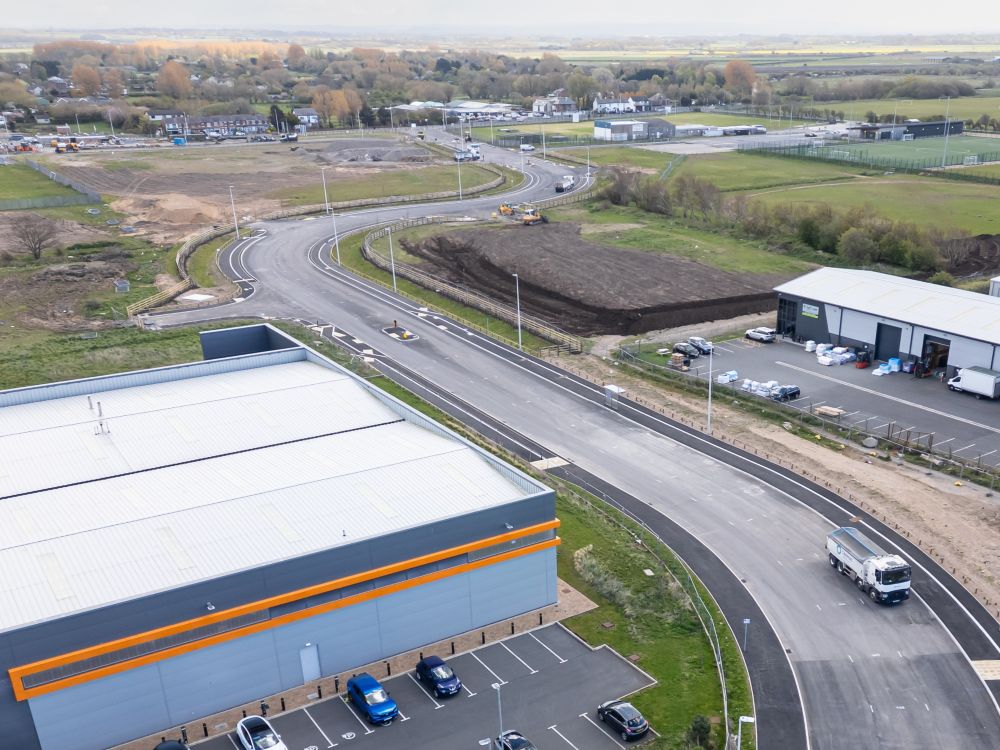
The 40-acre campus proposed within the Blackpool Airport Enterprise Zone (EZ) is being positioned as a beacon of sustainability. With Lancaster University’s support, the project is pioneering immersion-cooling technologies to cut energy use and minimise environmental impact.
Liquid cooling can boost data centre efficiency by up to 60%, and the excess heat generated can be channelled into a district heating network, lowering costs for businesses on site and reducing waste.
Building an exemplary start
Nick Gerrard, growth and prosperity programme director at Blackpool Council, says all these things add up to give Silicon Sands what he describes as a “unique advantage”. The plan, he adds, is based on sustainable power and battery storage.
He also reveals that a planning application has been submitted to build an ‘exemplar site’. The aim of this demonstrator is to establish the foundations for the expansion of the campus.
Nick says: “We are currently in discussions with a series of people who are going to invest between £60m and £80m just to get this first phase off the ground.”
Looking beyond the Enterprise Zone
Blackpool’s digital ambition is widening. A formal bid has been submitted to the government for AI Growth Zone status. This an emerging national programme designed to accelerate investment in AI-enabled data centres and support infrastructure by improving access to power and providing planning support, including other parts of the Fylde coast.
Nick says Silicon Sands will go ahead whether or not new status is achieved but adds that if the bid is successful: “Our economic estimate is that it has the capability of leading to 14,000 more jobs if we fulfil our potential in this area.”
Within the wider Enterprise Zone, progress continues at pace. With over 2,600 jobs already delivered and around £300m in private-sector development forecast, the EZ is becoming a magnet for ambitious businesses. Twenty-five acres of remediated land will soon be ready for new commercial uses at the Eastern Gateway, and a new £80m access road, due next November, will unlock further opportunities.
Steve Sorah, sales and marketing director at Trident, based at the EZ, says: “It’s a great location and the work to make access better is going to improve things.
“The data campus project is really sustainable, it is re-using waste heat and the whole idea is fantastic.
“And from the AI point of view it is potentially bringing tech giants into Blackpool; some really big employers and big businesses.”
Steve would like to see more collaboration between the EZ’s businesses, to open up opportunities. He says: “We could do a better job of engaging everyone and working together. Let’s try to help each other.”
And that collaborative message is echoed by others on the ground. Tom Smith, managing director of digital agency Complete, sees clear potential for shared innovation:
“There is an opportunity for collaboration with other businesses on the Enterprise Zone.
“It’s about how we can help with the new work going on there and find out more about the opportunities.”
Creating a better future for young people
Projects like Silicon Sands aren’t just about infrastructure, they’re about shaping Blackpool’s long-term future. Laurance Hancock, founder and chief executive of The Boathouse Youth charity, believes a more diverse economy is vital for giving young people real choices.
He says: “The most powerful thing you can give young people is choice. If tourism is your only choice, then it’s not really a choice. It’s working in tourism or being unemployed and that is linked to why people leave.”
“The investment in growth sectors, to give young people a real choice in their careers is a powerful thing and it can be linked to young people deciding to stay here and build their homes and lives in Blackpool.”
Andrea Challis, joint chief executive of Partington Group, believes Blackpool has a lot to shout about.
She says: “I would like us to be talking the town up. There is so much positivity. We need our young people to feel they are in a town they can help to develop, one they are given the opportunity.”
This story was first published in the Lancashire Business View, written by Ged Henderson.