We spoke with Oliver Minett, Dennis Eagle’s Plant Manager for Cabs based in Blackpool, to learn about life in Blackpool, their recent investments, and their stellar workforce.
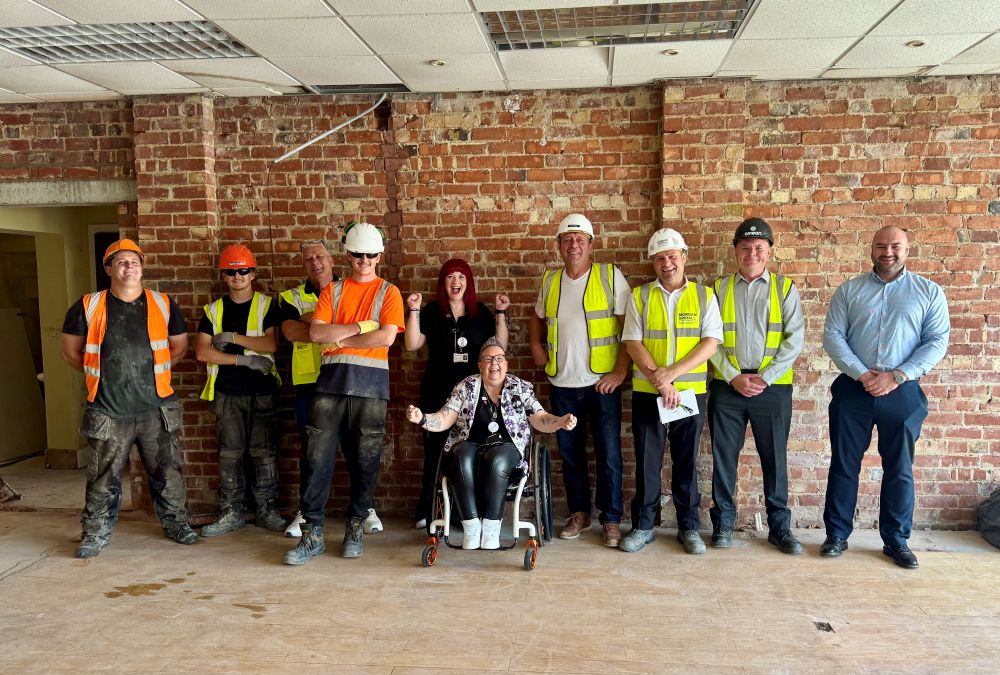
Our conversation comes as Dennis Eagle Blackpool celebrates a remarkable achievement—winning two prestigious awards at the 2025 Red Rose Awards, hosted by Lancashire Business View. The team was recognised for their outstanding efforts in Collaboration, working with various partners to deliver a sustainable school programme, and Commitment to Skills, focusing on internal employee upskilling and external recruitment and retention strategies.
Tell us about your company.
Dennis Eagle is the UK’s market-leading manufacturer of refuse collection vehicles (RCVs). We pride ourselves on supplying trucks which are designed, engineered, and made here in Great Britain. Our heritage dates back to 1907, and although we now concentrate on the waste industry, many know us from fire engines of old.
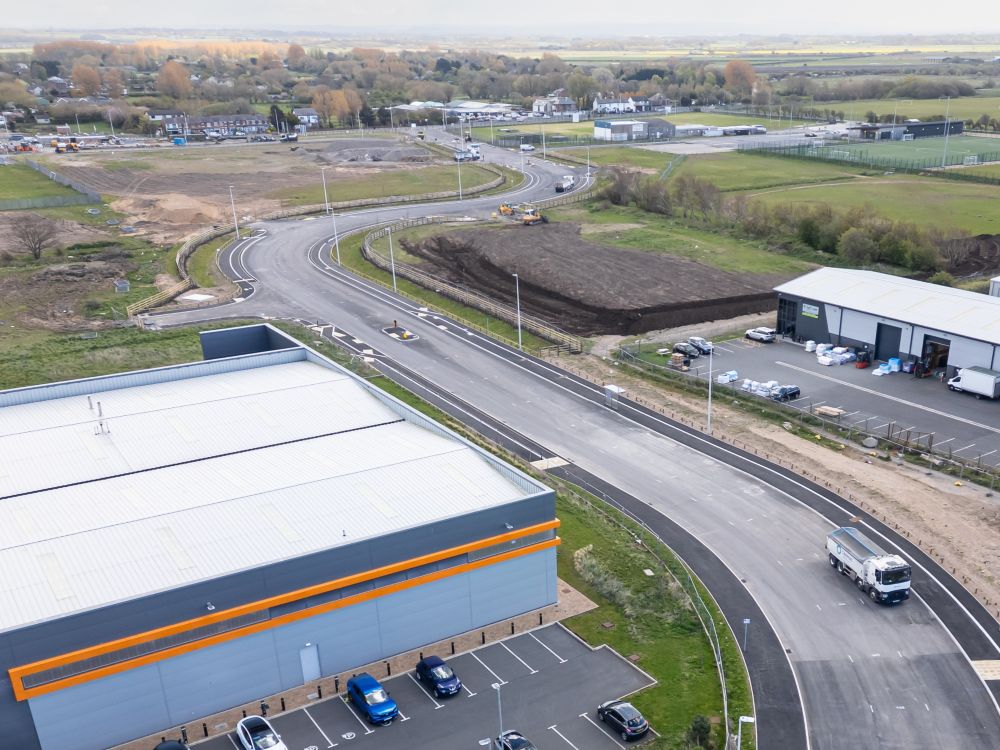
Dennis Eagle Blackpool manufactures over 1000 RCV cab units per year for UK local authorities and private sector contractors.
Where are you based in Blackpool and why did you decide to locate there?
Dennis Eagle’s journey began in 1972, producing cabs in Guildford. By the 1980s, the company established itself in Blackpool, building on the rich Duple Coach legacy. Moving to Burton Road in 1990 marked a significant milestone in vehicle cab manufacturing, positioning Dennis Eagle as an industry leader.

Over 50 members of the staff from Duple Coach builders joined Dennis Eagle, it is a great testament that much of the staff that joined in the 1980s stayed with the company for many decades and five remain with the business to date!
We are one of the last HGV cab manufacturers left in the United Kingdom, and that is something we will work hard to maintain.
How big is the company?
Our team is made up of 90 employees, with a £30 million turnover last year.
How has the business grown since you came to Blackpool?
We’ve come leaps and bounds since moving from Guildford to Blackpool, our manufacturing process has adapted and evolved, leading to remarkable increases in output, efficiency, and productivity. In the 1990s, we produced approximately 300–350 units annually for the UK market. Today, that number has grown to an impressive 1100–1200 units per year.

Our export market is equally strong – we produce 50-100 units for Australia and 100 units for USA.
Through driving innovation, sustainability, and growth, Dennis Eagle Blackpool has transformed its operations to lay a powerful foundation for skills development and a greener future. Some of the areas we have concentrated on improving over the last 12 months include the following:
– Upgraded facilities and operations to support training, development, and upskilling.
– Invested in a new paint booth, boosting efficiency, output, and sustainability.
– Expanded the in process Finishing Line capacity from 11 to 18 cabs.
– Added a 375m² modular storage unit to improve materials and parts control.
– Introducing a new digital warehouse infrastructure at Blackpool, reducing admin, enhancing processes, and cutting paper usage by 180,000 sheets annually.
– Installed 440 solar panels, now supplying 65% of the site’s electricity, with surplus sold back to the grid, ensuring a three-year payback period.
– Supported charitable causes, including World Mental Health Day, Breast Cancer Awareness, Macmillan Coffee Morning, Movember, and local children’s charity appeals such as Donna’s Dream House.
Do you have international connections?
We proudly export to markets across Europe, Scandinavia, Australia, and the USA. Dennis Eagle’s reputation extends well beyond the UK, and is trusted globally in the waste management industry for seamlessly combining local expertise with a strong international presence.

Oliver Minett, Plant Manager (Cabs)
What workforce skills do you require and how did the region supply that labour to you? How local is your workforce? How do you keep training your employees and is training locally sourced?
At Dennis Eagle, we believe our people are our greatest asset. 100% of our workforce is based in Lancashire with 90% based in the Blackpool area, within 10 miles of the site.
With a nationwide skills shortage in areas such as welding, painting, and fitting, we are proactively addressing this challenge by heavily investing in apprenticeship schemes. These programs provide people of all ages with the opportunity to gain paid, hands-on experience while pursuing formal qualifications. This approach not only strengthens our workforce pipeline, but also ensures the development and preservation of critical skills essential to our industry.
In terms of our longer term objectives for training and developing employees, our Investors in People (IiP) framework empowers us to create a culture where individuals grow, succeed, and feel valued.

Do you have any relationship with local universities/ schools? Do you have any internship/ apprenticeship programmes?
At Dennis Eagle, our commitment to early career development is not just a strategic initiative – it lies at the heart of our grassroots recruitment ethos.
Our apprenticeship schemes have a proven track record of success, offering students the opportunity to develop practical and professional skills while earning. Many of our apprentices have gone on to build successful, long-term careers with Dennis Eagle.
We proudly partner with Preston College, Lancaster and Morecambe College, and Blackpool and Fylde Colleges to deliver our apprenticeship programme. Currently, we have four apprentices who are all thriving under the guidance of our own mentors and college tutors.
It is immensely rewarding to see our apprentices grow in confidence and expertise, ensuring the retention and continuity of critical knowledge within Dennis Eagle.
With the help of our neighbours, Blackpool Design Coach Builders, they converted a Refuse Collection Vehicle into a mobile learning hub, which has helped drive our shared mission of empowering young eco-warriors through impactful education. Here in Blackpool, we work closely in partnership with Enveco (a Local Authority Trading Company collecting waste on behalf of Blackpool Council) and the local schools in the area, alongside SKIPS Educational who provide the interactive books to complement the lessons.

What has surprised you about Blackpool? What makes the area so unique?
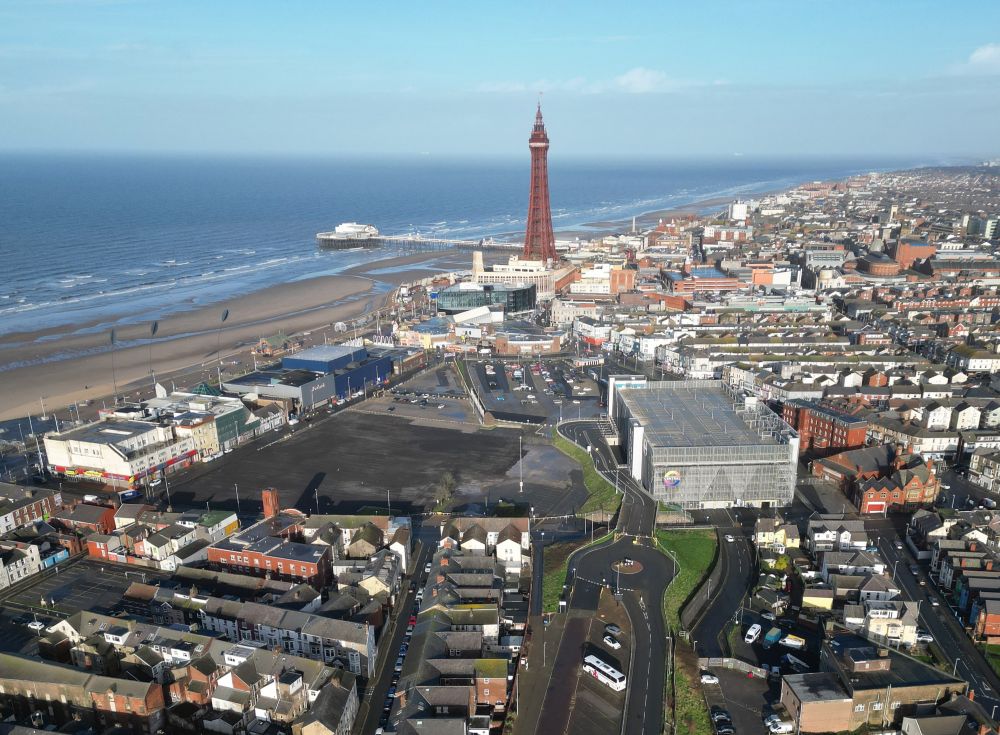
Access to transport networks is great in Blackpool, the M55 is only a 5-minute journey from the site and from there you can access the M6 North or South. The local bus and tram network allows staff to travel from all along the Blackpool coastline and with Blackpool train station a 10-minute car ride from the office, visitors can come from anywhere in the UK or abroad. It only takes 2 hours 45 minutes to get to London Euston from Blackpool!
What are the next steps?
We have an ambitious vision for the future, with several key objectives on the horizon. My primary focus is to drive the continued growth and success of the cab plant by investing in our people. This includes expanding and developing our team through targeted training initiatives and increasing apprenticeship opportunities to strengthen our knowledge base and skills pool.